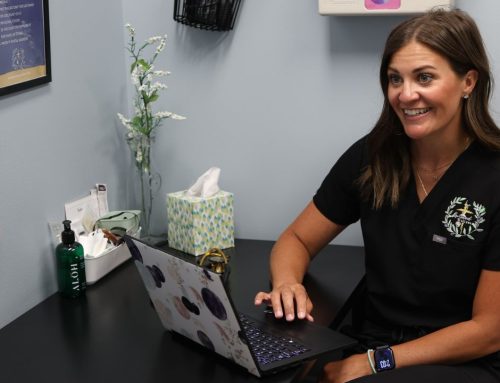
Hormone therapy is a treatment option designed to support people whose symptoms may be connected to hormone imbalance. For women and men in Greenwood, IN, hormone therapy may be worth discussing if you are experiencing concerns such as hot flashes, night sweats, vaginal dryness, low energy, sleep issues, weight changes, brain fog, low mood, low libido, or difficulty maintaining muscle mass. The best way to know if hormone therapy is right for you is to work with a trained provider who can review your symptoms, health history, labs, risks, and goals.
Hormone Therapy in Greenwood, IN
If you live in Greenwood or the surrounding Johnson County area and don’t feel like yourself anymore, hormones may be one part of the conversation.
Many patients come to Renewed Wellness after feeling dismissed, rushed, or told their symptoms are simply “normal aging.” But symptoms like low energy, sleep changes, brain fog, mood shifts, weight changes, hot flashes, night sweats, low libido, or loss of strength can affect your daily life and deserve a closer look.
At Renewed Wellness, hormone therapy conversations are guided by your full picture. That includes your symptoms, health history, labs, lifestyle, goals, and personal risk factors. The goal is not to rush treatment. The goal is to help you understand whether hormone support may be appropriate for your body.
What Is Hormone Therapy?
Hormone therapy is a treatment approach that helps support hormone levels when a provider determines that imbalance may be contributing to symptoms.
At Renewed Wellness, hormone conversations aren’t meant to be rushed. The goal is not to sell hormones quickly or assume everyone needs the same treatment. The goal is to listen, review your full picture, and help determine whether hormone support may be appropriate for your body.
Hormone therapy may include different options depending on the person, their labs, their health history, their symptoms, and their goals. These options may include bioidentical hormone replacement therapy, pellets, creams, troches, injections, or other provider-guided recommendations.
The right option depends on the individual.
Common Signs Hormones May Be Part of the Conversation
Hormone changes can look different for women and men.
For women, hormone imbalance may be connected to symptoms such as:
- Hot flashes
- Night sweats
- Vaginal dryness
- Heavy, irregular, or uncomfortable periods
- Breast tenderness
- Digestive changes
- Mood changes
- Sleep disruption
- Low energy
- Weight changes
- Brain fog
For men, hormone imbalance may be connected to symptoms such as:
- Low energy
- Trouble sleeping
- Weight gain
- Brain fog
- Low mood
- Anxiousness
- Difficulty maintaining muscle mass
- Low libido
- Decreased sexual performance
- Low motivation or drive
These symptoms don’t automatically mean hormone therapy is needed, but they can be a sign that it’s worth having a deeper conversation.
Is Hormone Therapy Only for Menopause?
No. Hormone therapy is often discussed during perimenopause, menopause, post-menopause, and andropause, but hormone health can matter at many stages of life.
Women may begin noticing symptoms during perimenopause, sometimes years before their periods fully stop. Men may experience gradual hormone changes that affect energy, strength, mood, weight, sleep, and libido.
The important thing is not just age. It’s how you feel, what your labs show, and what your provider sees when looking at the whole picture.
How Renewed Wellness Evaluates Hormone Concerns
At Renewed Wellness, hormone therapy starts with understanding, not guessing.
Your provider may consider:
- Your symptoms
- Your health history
- Your current medications or supplements
- Your lab results
- Your stress levels
- Your sleep
- Your nutrition
- Your weight and body composition goals
- Your personal risks and family history
- Your long-term wellness goals
Hormone testing may also be part of the process. Renewed Wellness uses testing options that may include hormone panels and specialty testing, such as DUTCH testing, to help providers better understand hormone levels and how the body processes and metabolizes hormones.
This matters because hormone levels are only part of the picture. How your body uses, clears, and responds to hormones can also be important.
What Is BHRT?
BHRT stands for bioidentical hormone replacement therapy. Bioidentical hormones are designed to closely resemble hormones naturally produced by the human body.
BHRT may be delivered in different ways, including pellets, creams, or troches. Some patients may also discuss other options with their provider, depending on their goals and clinical needs.
BHRT may be helpful for some patients, but it’s not automatically right for everyone. A provider should help determine whether it’s appropriate based on your symptoms, labs, health history, risks, and goals.
Is Hormone Therapy Safe?
Hormone therapy may be appropriate for some patients, but like any medical treatment, it’s not without risks.
This is why evaluation, testing, follow-up, and monitoring matter.
A thoughtful hormone therapy plan should include ongoing conversations about how you are feeling, how your body is responding, and whether adjustments are needed. Your provider should also consider your personal and family health history, hormone metabolism, and risk factors before making recommendations.
The safest plan is a personalized plan.
Is Hormone Therapy Right for Me?
Hormone therapy may be worth discussing if you are experiencing symptoms that are affecting your daily life and you want to better understand whether hormones may be contributing.
It may be time to schedule a hormone or wellness consultation if you are asking questions like:
- Why am I so tired all the time?
- Why am I gaining weight when nothing has changed?
- Why can’t I sleep like I used to?
- Why do I feel foggy, flat, or unmotivated?
- Why is my libido lower than it used to be?
- Are hot flashes or night sweats something I just have to live with?
- Could my mood, sleep, weight, and energy be connected?
You don’t have to diagnose yourself before coming in. That is what the consultation is for.
What Hormone Therapy Isn’t
Hormone therapy is not a one-size-fits-all solution.
It’s not a guarantee.
It’s not “anti-aging.”
It’s not meant to override what your body needs.
It’s one possible tool that may support wellness when guided by proper evaluation and medical oversight.
At Renewed Wellness, the goal is to help you understand your body more clearly and create a plan that fits your health, history, and goals.
FAQs
Do I need hormone therapy if I have menopause symptoms?
Not always. Menopause symptoms may be connected to hormone changes, but a provider should review your full picture before recommending treatment.
Can men benefit from hormone evaluation?
Yes. Men may experience hormone changes that affect energy, sleep, muscle mass, mood, weight, libido, and motivation. A consultation can help determine whether testing or treatment may be appropriate.
What symptoms should I track before my appointment?
Track energy, sleep, mood, weight changes, libido, hot flashes, night sweats, brain fog, cycle changes, strength, and any symptoms that feel new or disruptive.
Will I be pressured into hormone therapy?
The goal of a hormone consultation should be clarity, not pressure. A provider should help you understand your options and decide what is appropriate for your body.
How do I get started?
Schedule a wellness or hormone consultation so your provider can review your symptoms, labs, health history, and goals.
Ready to See If Hormones May Be Part of the Picture?
If you are in Greenwood, IN and wondering whether hormones may be affecting your energy, sleep, mood, weight, or overall vitality, schedule a hormone or wellness consultation with Renewed Wellness.